Industries
Insurance

FINTRAC Compliance for Insurance Professionals

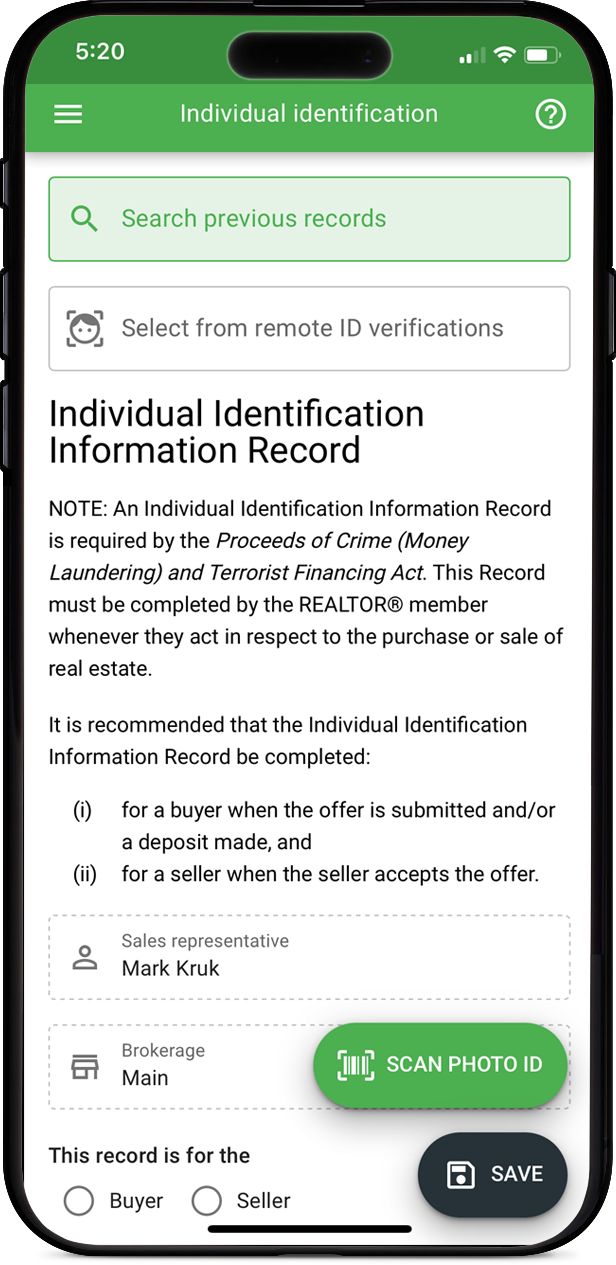
fintracker app screenshot
Insurance professionals play a critical role in Canada’s fight against money laundering and terrorist financing. If you’re looking for guidance on FINTRAC compliance for insurance professionals, this page will walk you through everything you need to know. 

From identity verification to AML monitoring and proper record-keeping, Fintracker provides a streamlined, reliable solution that helps insurers stay compliant with confidence.
secure badge vector
Download Now!
app store logogoogle play store logo
fintracker icon

Why Insurance Professionals Need to Comply with FINTRAC

The insurance industry is a known target for money laundering due to the movement of large sums, lump-sum payments, investment-linked policies, and complex ownership structures. FINTRAC requires insurance professionals particularly those dealing in life insurance, annuities, and segregated funds to verify customer identity, monitor transactions, and report suspicious activity.

But many insurers face challenges: paper-based forms, inconsistent KYC processes, missing documentation, or uncertainty around when reporting is required. These gaps can expose insurers to regulatory penalties and reputational risk especially as FINTRAC expectations continue to evolve.

Fintracker eliminates these hurdles by offering a digital, standardized workflow tailored to compliance requirements. Instead of relying on manual processes or interpreting complex guidelines alone, insurance professionals can use Fintracker to verify identity, assess risk, document transactions, and store everything securely in one place.

Fintracker brings clarity, efficiency, and accuracy to your compliance program so you can protect your business while delivering a smoother client experience.
insurance team img
realtor doing kyc
fintracker icon

How Fintracker Helps Insurance Professionals Achieve Compliance

Fintracker simplifies FINTRAC compliance by guiding insurance professionals through each requirement with automated workflows. Whether you’re onboarding a new policyholder, verifying identity for a beneficiary, or documenting a high-value transaction, Fintracker ensures every step follows regulatory expectations.

The platform offers secure, remote ID verification and biometric matching ideal for digital insurance processes where clients may never visit an office. AML screening tools help identify politically exposed persons (PEPs), high-risk clients, and unusual activity, making it easier to escalate concerns and apply enhanced due diligence when needed.

Fintracker also centralizes compliance records, providing insurers with complete, audit-ready files. This reduces compliance risk, strengthens oversight, and ensures your team follows consistent, repeatable processes across every transaction.

Key Compliance Requirements for Insurance Professionals

Insurance professionals face unique compliance obligations due to the financial nature of insurance products. FINTRAC’s requirements focus on client identification, risk management, and accurate documentation.
kyc icon

Know Your Client (KYC) Requirements

When issuing or underwriting certain insurance products particularly life insurance policies professionals must verify the identity of policyholders, beneficiaries, and third parties involved. KYC requirements also include confirming beneficial owners for corporations and maintaining ongoing monitoring for changes in client risk.
aml icon

Anti-Money Laundering (AML) Measures

Insurance providers must assess the risk level of clients and transactions, including screening for PEPs, suspicious beneficiary arrangements, unusual premium payments, or early policy cancellations common red flags in the insurance sector. When suspicious or high-risk activity occurs, insurers must file reports such as Suspicious Transaction Reports (STRs) or Large Cash Transaction Reports.
record keeping icon

Record-Keeping and Reporting Obligations

Insurers must maintain detailed records of identity verification, policy details, premium payments, risk assessments, and all FINTRAC reports for at least five years. These records must be secure, organized, and accessible for audits or regulatory reviews. Proper documentation is essential for demonstrating compliance with FINTRAC’s expectations.
aml screening img

Steps to Get Started with FINTRAC Compliance for Insurance Professionals

1. Understand Your FINTRAC Obligations
Review the FINTRAC requirements that apply to insurance activities, including identity verification, risk assessments, transaction monitoring, and reporting triggers.

2. Set Up Your Fintracker Account
Configure Fintracker to support your insurance workflows. The platform provides digital KYC forms, secure record storage, remote ID verification, and AML screening tools built for regulated professionals.

3. Use Fintracker for Every Client and Policy Onboarding
Verify identities, document beneficiaries, screen for PEPs, and collect all required KYC information through Fintracker’s guided workflow.

4. Maintain Accurate, Centralized Records
Store all compliance documentation ID verification, policy details, AML checks, and transaction records in Fintracker for easy retrieval during audits.

5. Monitor and Report Activity as Required
Use Fintracker’s alerts to identify transactions or behaviours that may require reporting. Review your compliance workflows regularly to stay aligned with FINTRAC updates and insurance-industry best practices.

Get Started with FINTRAC Compliance Today

Protect your business and streamline compliance. Book a Fintracker demo to see how simple FINTRAC compliance can be.
Book a Demo
We are at your service!
Connect with us and get started today.
envelopephone-handsetmap-marker